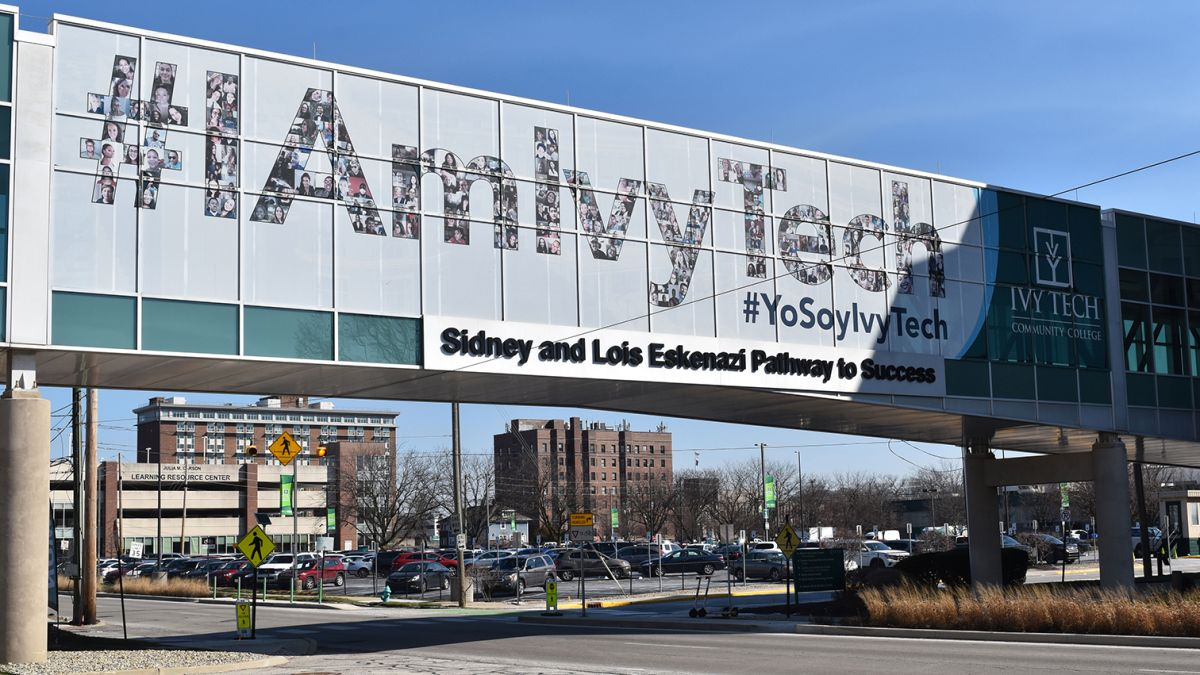
Most students don’t need another degree—they need the right credential that leads directly to a job. At Ivy Tech Community College, the course catalog isn’t just long; it’s engineered. Every class, certificate, and degree is built around one question: What will this get you in the real world?
With 40+ campuses across Indiana and a robust online platform, Ivy Tech delivers practical, affordable, and stackable education. Whether you're entering college for the first time, retraining after a layoff, or upgrading skills mid-career, Ivy Tech College courses are structured to meet you where you are—and move you forward fast.
Why Ivy Tech Stands Out for Career-Focused Learning
Higher education often suffers from a gap between theory and application. Ivy Tech closes it. The college partners directly with regional employers—from Eli Lilly to Cummins—to ensure its curriculum aligns with actual job requirements.
This isn’t just about convenience. It’s about relevance. A welding student trains on the same equipment used in local factories. A cybersecurity student defends simulated networks against real-world attack patterns. Even liberal arts courses are taught with communication, critical thinking, and workplace readiness in mind.
Key advantages: - Affordability: Tuition averages 60% less than four-year public universities in Indiana. - Speed: Many programs take two years or less. - Stackability: Earn a certificate first, then apply credits toward an associate degree. - Transfer pathways: Seamless articulation agreements with Indiana University, Purdue, and others.
Students don’t just graduate—they transition. Over 90% of employers who hire Ivy Tech grads report they’re “ready to contribute from day one.”
High-Demand Programs That Deliver Real Outcomes
Ivy Tech doesn’t spread itself thin. It concentrates on fields where Indiana’s economy is growing: healthcare, IT, advanced manufacturing, and business services.
#### Nursing and Allied Health Ivy Tech’s nursing program is one of its most competitive—and for good reason. Graduates qualify to take the NCLEX exam and enter high-demand roles as RNs. The program includes clinical rotations at hospitals like IU Health and Community Health Network.
Other standout health programs: - Medical coding and billing - Radiology technology - Dental hygiene - Emergency medical services (EMS)
A student from the Fort Wayne campus recently landed a $68,000/year position at Parkview Health after completing the radiography program—without ever transferring to a four-year school.
#### Information Technology and Cybersecurity Tech jobs aren’t just in Indianapolis—they’re statewide. Ivy Tech’s IT programs prepare students for CompTIA, Cisco, and Microsoft certifications, often before graduation.
Courses cover: - Network administration - Cloud computing (AWS, Azure) - Ethical hacking - IT support
One graduate from the Indianapolis campus built a home lab during the program, earned his Security+ certification, and was hired as a junior analyst at a logistics firm within three weeks of finishing.
#### Advanced Manufacturing and Engineering Tech With Indiana’s strong industrial base, Ivy Tech’s engineering technology programs feed directly into high-skill roles. Students work with CNC machines, robotics, and PLC systems used in real production facilities.
Popular tracks: - Mechatronics - Industrial maintenance - Welding technology - Automation and control systems
An Evansville student completed the mechatronics certificate in 10 months, then was hired by a Tier 1 automotive supplier at $24/hour with full benefits.
#### Business and Professional Communication Not every career path requires a technical toolkit. Ivy Tech’s School of Public and Corporate Services offers practical business training with real-world application.
Standout courses: - Project management (aligned with PMP prep) - Digital marketing - Human resources - Small business operations
Students often work on live projects—like creating social media strategies for local nonprofits or analyzing staffing models for regional retailers.
How to Choose the Right Ivy Tech Course for You
Picking a course isn’t just about interest—it’s about alignment. Here’s how to make a smart decision:
1. Start with your end goal. Are you aiming for immediate employment? A transfer to a four-year school? A promotion at your current job?
- Immediate job: Prioritize technical certificates and AAS degrees (e.g., HVAC, phlebotomy).
- Transfer: Focus on AA or AS degrees with guaranteed pathways (e.g., Ivy+ programs with IU or Purdue).
- Career advancement: Look for short-term credentials like IT certifications or leadership micro-credentials.
2. Match your learning style. Ivy Tech offers: - On-campus: Hands-on labs, face-to-face instruction (ideal for healthcare, trades). - Online: Self-paced or scheduled (great for working adults in IT, business). - Hybrid: Mix of both (common in general education courses).
A student working nights at a warehouse, for example, might take online math and science courses during the day and attend nursing labs on weekends.
3. Check labor market data. Use Ivy Tech’s Career Coach tool (integrated into their website) to see: - Local job openings - Average salaries - Required certifications
This data-driven approach prevents costly missteps—like enrolling in a low-demand program with limited hiring.
Online Learning That Actually Works
Online education has a reputation for being isolating or low-engagement. Ivy Tech’s platform avoids that by combining structure with support.
Key features: - Weekly assignment deadlines (not fully self-paced) - Live virtual office hours with instructors - Embedded tutoring through NetTutor - Mobile-friendly course access
For example, the online IT fundamentals course includes: - Video labs with virtual networking environments - Discussion boards moderated by industry professionals - Weekly quiz feedback within 48 hours
Even fully online students report high satisfaction—especially when instructors maintain clear communication and realistic expectations.
Common mistake: Students assume online = easier. In reality, online courses at Ivy Tech demand strong time management. One student in the online accounting program failed her first term because she treated it like “homework on demand.” After switching to a fixed study schedule, she made the dean’s list.
Transfer Pathways: Building Toward a Bachelor’s
A common myth is that community college limits you to an associate degree. At Ivy Tech, the opposite is true—many students use it as a launchpad.
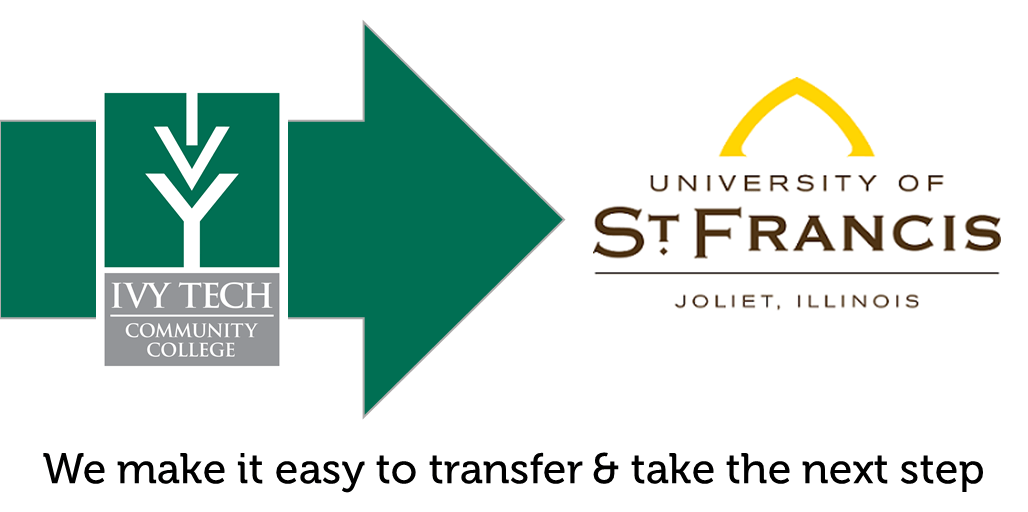
The Ivy+ Transfer Program guarantees: - Admission to partner universities (IU, Purdue, Vincennes, etc.) - Full credit transfer for approved associate degrees - Dedicated transfer advisors
Example: A student completes an Associate of Science in Biology at Ivy Tech. They transfer to IU Bloomington as a junior—saving over $20,000 in tuition—with no loss of credits.
Tips for smooth transfer: - Work with an Ivy Tech transfer advisor early - Stick to transfer-aligned courses (look for “Ivy Transfer Network” designation) - Maintain a GPA of 2.5 or higher (3.0+ for competitive programs)
Avoid the trap of taking technical electives that don’t transfer. That HVAC course might get you a job, but it won’t count toward a biology degree.
Workforce Training and Short-Term Credentials
Not every goal requires a two-year commitment. Ivy Tech offers hundreds of non-credit, short-term courses designed for rapid upskilling.
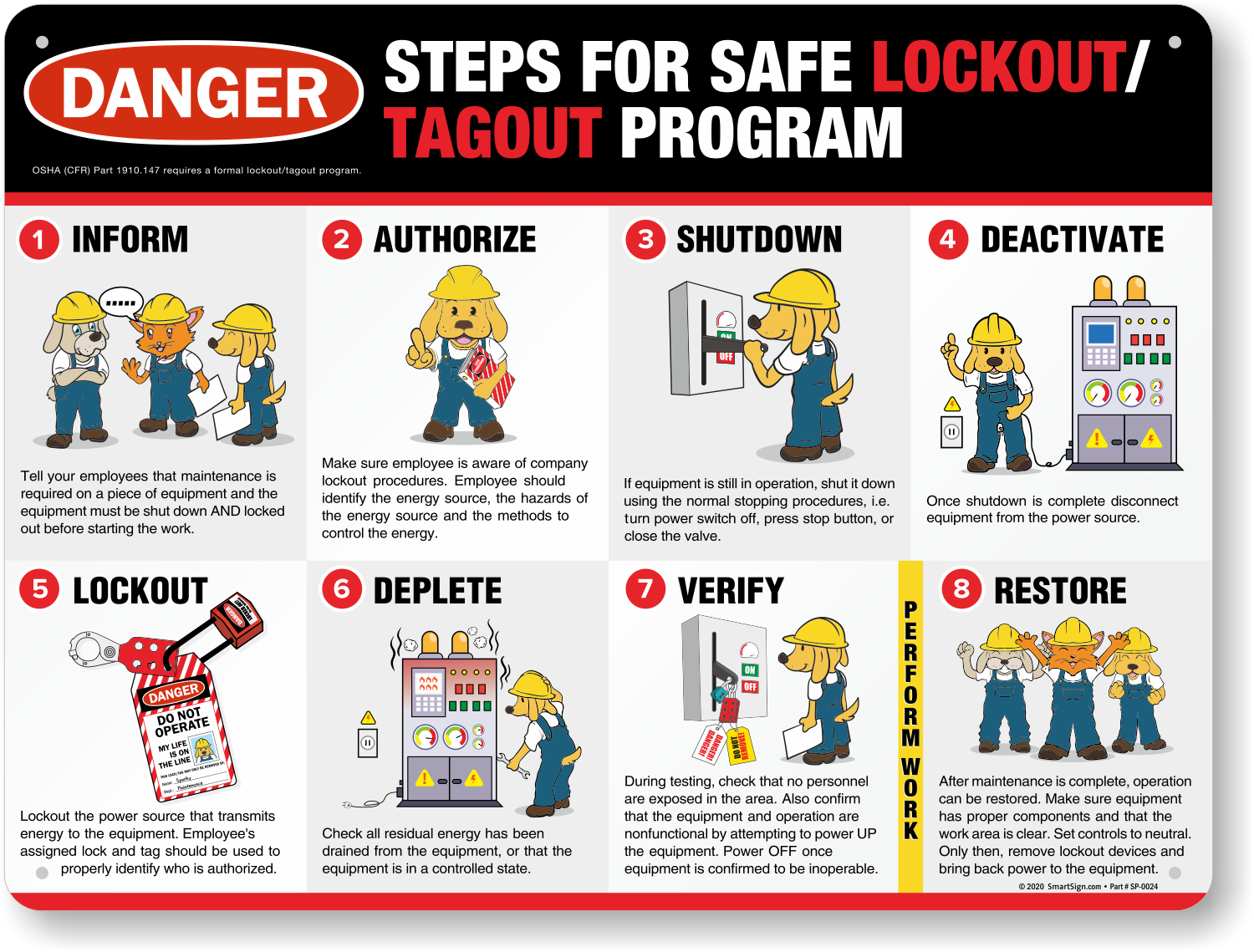
Popular options: - Forklift operator certification (2 weeks) - Certified Nurse Aide (CNA) training (6 weeks) - Google IT Support Certificate (12 weeks, online) - OSHA safety training (various durations)
These programs are often employer-sponsored or funded through Workforce Ready Grants. A recent initiative with Amazon trained over 500 Indiana workers in IT support and logistics management—100% tuition-free.
For career changers or those needing income fast, short-term credentials offer a low-risk, high-return option. One single parent in Gary completed CNA training in two months and increased her income from $12 to $18/hour—enough to move into stable housing.
Real Student Paths: What Success Looks Like
Let’s make this tangible with real trajectories:
Maria, 34 – From Retail to Radiology Worked in retail for 12 years. Enrolled in Ivy Tech’s radiologic technology program in Indianapolis. Took classes part-time while working nights. Graduated in 18 months. Now earns $65,000/year at a local imaging center.
James, 22 – IT Career Without Debt Avoided $60,000 in student loans by starting at Ivy Tech. Completed the AAS in Cybersecurity. Earned CompTIA Security+ and CySA+ during the program. Hired by a defense contractor in Columbus, IN, at $58,000/year.
Linda, 47 – Business Owner Ready Took a 10-week small business management course. Used what she learned to launch a catering company. Ivy Tech’s Small Business Development Center helped her write a business plan and secure a microloan.
Each of these paths started with a single course. The key? They were targeted, affordable, and connected to real opportunities.
Getting Started: Your Next Steps
Choosing a course is just the beginning. Here’s how to begin:
- Visit the Ivy Tech program finder and filter by career interest, campus, or delivery method.
- Talk to an academic advisor—they’ll help map out your path and clarify transfer or job placement stats.
- Apply for financial aid—even part-time students qualify for Pell Grants, scholarships, or Workforce Ready funding.
- Enroll in one course—many students start with a general ed class like College Algebra or English Composition while exploring career programs.
Don’t overthink it. The fastest way to move forward is to start—intentionally. Pick one course that aligns with your goal, enroll, and commit to showing up. In six months, you’ll be further than you are today.
FAQ
Can I take Ivy Tech courses online full-time? Yes. Over 200 programs offer fully online options, including IT, business, and general studies. Some lab-based courses (like nursing) require limited on-campus attendance.
Are Ivy Tech courses transferable to universities? Many are. Ivy Tech has articulation agreements with over 30 colleges. Use the Ivy Transfer Network tool to verify course equivalency.
How much do Ivy Tech courses cost? Tuition averages $150–$200 per credit hour. Most associate degrees cost under $10,000 total. Financial aid and grants are widely available.
Do I need a high school diploma to enroll? Yes, or a GED. Some non-credit workforce programs may have different requirements.
Can I work while taking courses? Absolutely. Most students work part- or full-time. Evening, weekend, and online options are designed for working adults.
What support services are available? Tutoring, career coaching, mental health counseling, disability accommodations, and childcare grants are all offered.
How long do certificate programs take? Most short-term certificates take 3–12 months. Associate degrees typically take two years full-time.
FAQ
What should you look for in Ivy Tech College Courses: Flexible Paths to In-Demand Careers? Focus on relevance, practical value, and how well the solution matches real user intent.
Is Ivy Tech College Courses: Flexible Paths to In-Demand Careers suitable for beginners? That depends on the workflow, but a clear step-by-step approach usually makes it easier to start.
How do you compare options around Ivy Tech College Courses: Flexible Paths to In-Demand Careers? Compare features, trust signals, limitations, pricing, and ease of implementation.
What mistakes should you avoid? Avoid generic choices, weak validation, and decisions based only on marketing claims.
What is the next best step? Shortlist the most relevant options, validate them quickly, and refine from real-world results.