Every year, preventable accidents caused by uncontrolled hazardous energy lead to serious injuries and fatalities in industrial environments. One of the most effective tools in reducing these incidents isn’t a new piece of machinery or a high-tech sensor—it’s a well-produced lockout tagout safety video.
These videos are more than just training modules. They are strategic assets that communicate life-saving procedures, standardize safety protocols across shifts, and serve as a legal safeguard during compliance audits. Whether you're managing a small manufacturing unit or overseeing operations at a large plant, relying solely on written procedures or verbal instructions is a risk no responsible safety manager can afford.
A lockout tagout safety video transforms a complex, high-stakes process into digestible, visual learning—ensuring that every employee, from new hires to seasoned technicians, understands how to isolate energy sources properly before servicing equipment.
Why a Lockout Tagout Safety Video Matters
OSHA estimates that proper lockout tagout (LOTO) procedures prevent nearly 120 fatalities and 50,000 injuries annually in the U.S. Yet, non-compliance remains widespread. One reason? Ineffective training.
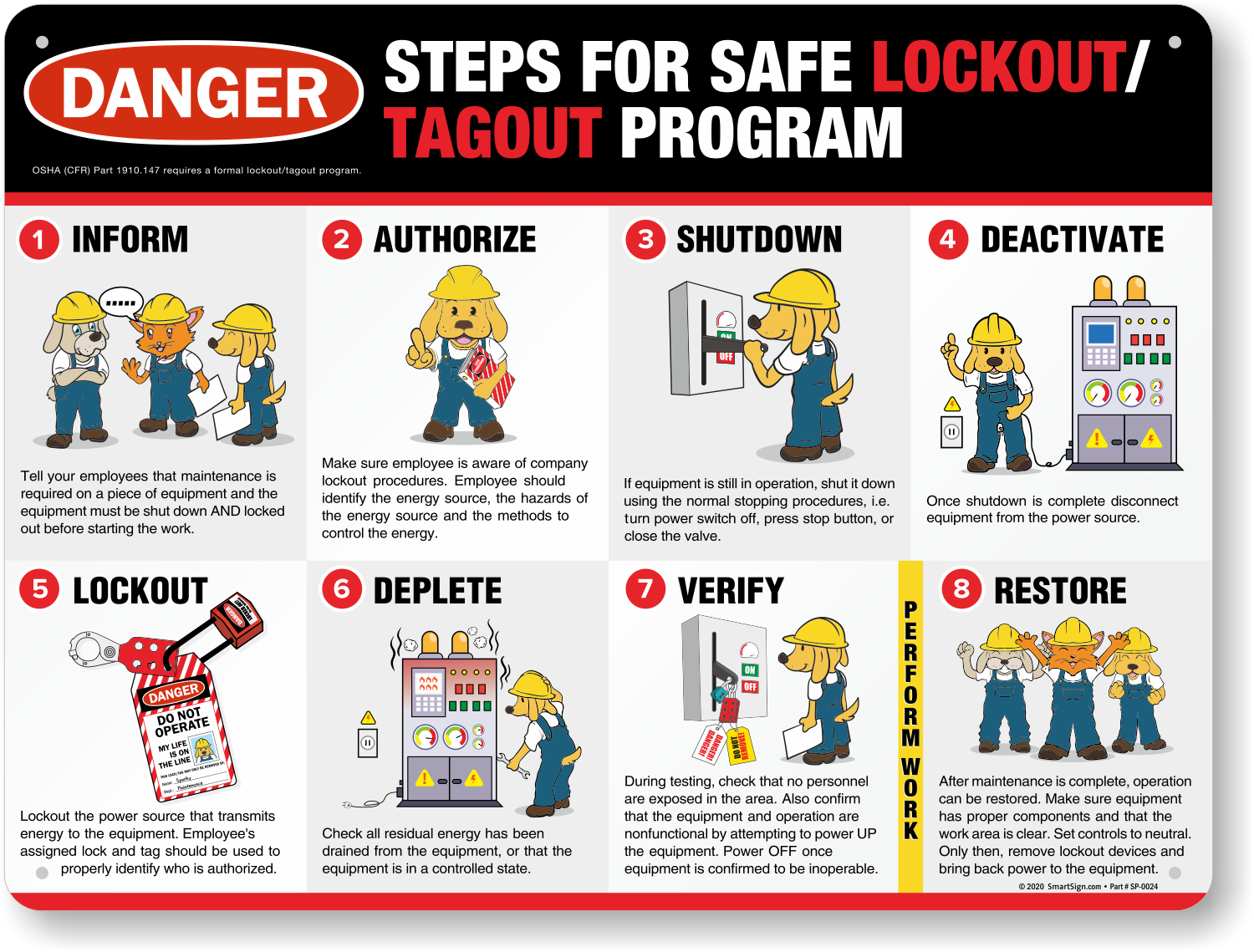
Text-heavy manuals and rushed toolbox talks often fail to convey the urgency and precision required in LOTO procedures. A video, on the other hand, demonstrates the process in real time. It shows the correct sequence: shutting down machinery, identifying energy sources, applying locks and tags, verifying isolation, and safely restarting systems.
More importantly, videos create consistency. With multiple shifts and rotating staff, verbal training can drift. A standardized video ensures that the same accurate information is delivered every time.
For example, consider a maintenance technician at a food processing plant. If they've only read about locking out a conveyor system but have never seen it done, they might miss isolating a secondary hydraulic line. A video that shows the full sequence—including hidden energy sources—can prevent such oversights.
What Makes a Lockout Tagout Safety Video Effective
Not all safety videos are created equal. Many suffer from poor production, outdated footage, or vague narration. A truly effective LOTO video should be:
- Site-specific: Generic videos fail because they don’t reflect the actual equipment and layout of your facility. The best videos are customized to your machines and processes.
- Clear and concise: Aim for 5 to 10 minutes. Any longer, and attention drops. Use simple language—avoid jargon unless it’s industry-standard and explained.
- Visually engaging: Include close-ups of lock applications, tag placements, and verification steps. Use overlays or callouts to highlight important actions.
- Narrated with authority: A calm, professional voice builds trust. Avoid robotic text-to-speech. Real people with safety expertise should narrate.
- Interactive or supplemented: Pair the video with quizzes or checklists. Some companies embed videos into learning management systems (LMS) that require employees to pass a short assessment before proceeding.
One manufacturing plant in Ohio reduced LOTO violations by 78% within six months of switching from generic safety tapes to a custom-produced video that mirrored their actual assembly line setup. The difference? Employees finally saw their machines, their locks, and their standard operating procedures on screen.
Common Mistakes in Lockout Tagout Video Training
Even with the best intentions, organizations make critical errors when using safety videos. Here are the most common—and how to avoid them:
1. Using outdated or generic content Relying on a one-size-fits-all video from a third-party vendor often means missing site-specific hazards. A video showing a hydraulic press won’t help if your facility uses pneumatic systems with stored energy.
2. Skipping employee verification Just watching a video isn’t enough. Without follow-up, you can’t confirm understanding. Always include a sign-off sheet or digital acknowledgment.
3. Infrequent reinforcement LOTO procedures should be reviewed annually—or whenever there’s a process change. Many companies show the video once during onboarding and never again. That’s a compliance gap.
4. Poor accessibility If the video is only available on a desktop computer in the manager’s office, field technicians can’t access it when needed. Host it on a mobile-friendly platform or intranet.
5. Ignoring multilingual needs In diverse workplaces, a single-language video excludes non-English speakers. Offer subtitles or dubbed versions to ensure universal comprehension.
When to Use a Lockout Tagout Safety Video
A LOTO video isn’t just for initial training. Integrate it into multiple stages of your safety program:
- Onboarding: New hires get a visual introduction to your energy control program.
- Refresher training: Replays keep safety top of mind and reinforce procedures.
- Audits and compliance checks: Use the video as proof that training was delivered consistently.
- Incident review: After a near-miss or lockout error, retrain with the video to correct behavior.
- Remote or decentralized teams: For facilities across locations, a centralized video ensures uniform standards.
One chemical processing company uses its LOTO video as part of a pre-maintenance checklist. Technicians must watch the relevant segment on a tablet before pulling a work permit. This layered approach has eliminated unauthorized maintenance attempts.
How to Create a High-Impact Lockout Tagout Safety Video
You don’t need a Hollywood budget—but you do need a clear plan.
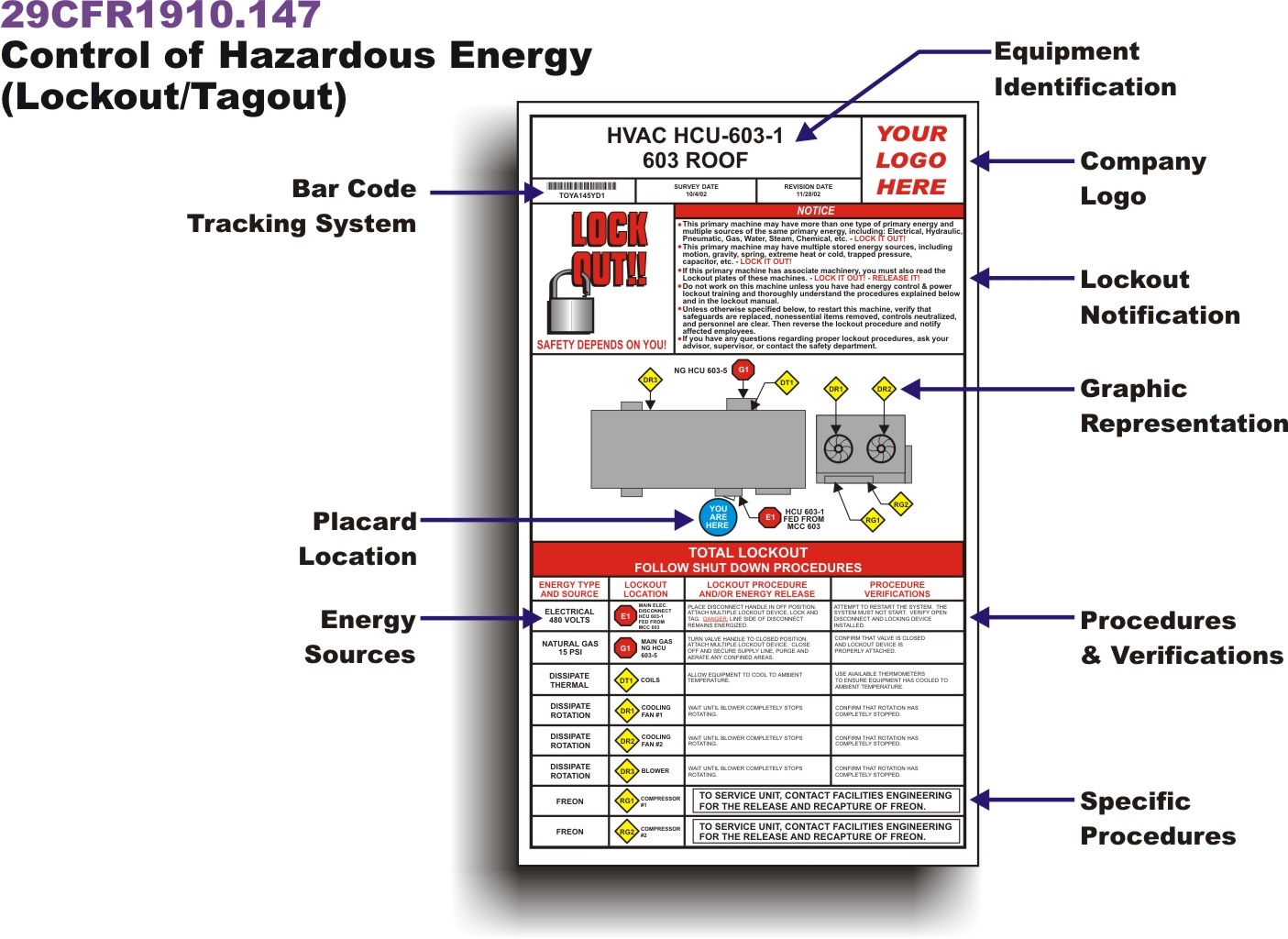
Start with a process audit. Identify the top five machines with the highest energy risk. Document every energy source: electrical, mechanical, hydraulic, pneumatic, chemical, thermal.
- Next, script the sequence. Walk through each step:
- Notification of shutdown
- Machine shutdown using proper controls
- Isolation of all energy sources
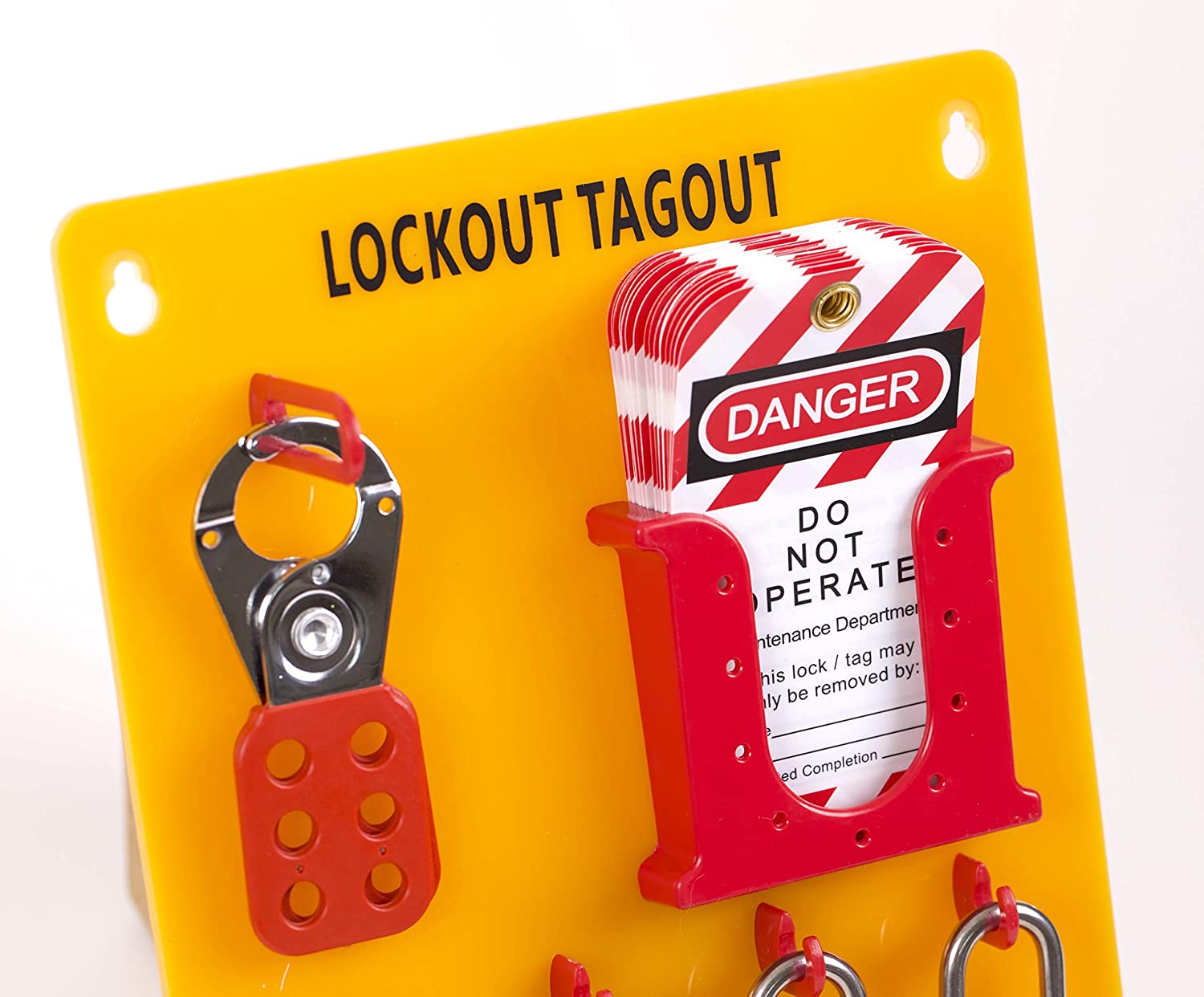
- Lock application with assigned locks
- Tag placement with clear warnings
- Stored energy dissipation (e.g., bleeding lines, blocking moving parts)
- Verification of zero energy state
- Clearance and restart procedures
Film in your actual environment. Use real employees, real locks, and real equipment. This builds credibility and familiarity.
Include real-world mistakes as cautionary segments. For instance, show a technician skipping verification—then simulate the consequences (e.g., a conveyor lurching forward). This drives home the stakes without sensationalism.
Finally, distribute and track. Upload the video to your LMS or safety portal. Require employees to complete it annually and log completion.
Top 5 Platforms for Hosting Lockout Tagout Safety Videos
Creating the video is only half the battle. You need a reliable way to deliver and track it. Here are five proven platforms:
| Platform | Best For | Key Features | Limitations |
|---|---|---|---|
| SafetyCulture (iAuditor) | Mobile-first teams | Video hosting, checklists, audit trails | Limited editing tools |
| Tovuti LMS | Compliance-heavy industries | SCORM support, quizzes, reporting | Higher cost for small teams |
| Trainual | SMEs and mid-sized plants | Easy content upload, process documentation | Less robust analytics |
| EdApp | Quick mobile training | Microlearning, gamification, free tier | Basic video interface |
| Koorsen Safety LMS | OSHA-focused compliance | Pre-built safety courses, LOTO templates | Less customizable |
Each offers tracking, completion reports, and integration options. Choose based on your team size, tech stack, and compliance needs.
Real-World Example: How a Brewery Improved LOTO Compliance
A regional craft brewery struggled with inconsistent lockout practices. Maintenance staff often bypassed tags during quick cleanups, assuming “it wouldn’t take long.” After a near-miss involving a stuck fermenter valve, management commissioned a custom LOTO video.
The video featured: - A walkthrough of their specific bottling line - Footage of real technicians applying locks - A dramatization of what could happen if energy wasn’t isolated - On-screen checklist overlays
Within three months, compliance rose from 62% to 96%. More importantly, maintenance staff began voluntarily pausing to verify isolation—even when not observed.
The shift wasn’t just behavioral—it was cultural. The video made safety visible, tangible, and shared.
Limitations of Lockout Tagout Safety Videos Videos are powerful, but they’re not foolproof.
They can’t replace hands-on practice. Employees still need shadowing, live drills, and periodic audits. A video teaches what to do; real-world experience teaches how to adapt when things go wrong.
They also depend on engagement. A distracted viewer misses details. That’s why pairing videos with interactive elements—like pause-and-respond prompts or post-video quizzes—is critical.
And while videos standardize training, they must evolve. Equipment changes, new hazards emerge, and procedures update. An old video becomes a liability if it doesn’t reflect current practices.
How to Audit and Update Your LOTO Video
Treat your safety video like any other piece of critical equipment: inspect and maintain it.
Schedule a review at least annually, or sooner if: - New machinery is installed - A near-miss or incident occurs - OSHA updates LOTO standards - Employee feedback identifies confusion
During the audit: - Watch the video alongside current procedures - Compare it to your written energy control program - Ask technicians for feedback: “Does this match what you do?” - Update footage, narration, or visuals as needed
One paper mill updates its LOTO video every 18 months. They keep a version log and archive old copies for audit trails—a practice praised during their last OSHA inspection.
Final Thoughts: Make Safety Visible
A lockout tagout safety video is not a compliance checkbox. It’s a frontline defense against preventable harm. When done right, it turns abstract rules into real actions, builds a culture of accountability, and protects your most valuable asset—your people.
Don’t wait for an incident to justify the investment. Audit your current training. Identify gaps. Then produce or upgrade a video that reflects your facility, your risks, and your commitment to safety.
Start today: film one critical procedure, host it where everyone can access it, and require acknowledgment. That single step could be the difference between a safe shutdown and a life-altering accident.
FAQ
Why is a lockout tagout safety video better than a written procedure? Videos combine visual, auditory, and procedural learning, making complex steps easier to understand and remember. They also ensure consistent delivery across teams.
Can I use a generic LOTO video for my facility? Generic videos are better than nothing, but they often miss site-specific hazards. Custom videos that show your equipment and processes are far more effective.
How long should a lockout tagout safety video be? Aim for 5 to 10 minutes. Focus on clarity and key steps—longer videos reduce engagement and retention.
Do employees need to sign off after watching the video? Yes. Documentation proves training was completed and supports OSHA compliance. Use digital logs or physical sign-in sheets.
Should LOTO videos include non-English speakers? Absolutely. Provide subtitles or dubbed versions to ensure all employees understand the procedures, regardless of language.
Can a LOTO video replace hands-on training? No. Videos should be paired with live demonstrations, practice sessions, and supervisor verification to ensure competence.
How often should we update our LOTO safety video? Review and update at least annually or whenever equipment, processes, or regulations change.
FAQ
What should you look for in Lockout Tagout Safety Video: Why It’s Critical for Workplace Safety? Focus on relevance, practical value, and how well the solution matches real user intent.
Is Lockout Tagout Safety Video: Why
It’s Critical for Workplace Safety suitable for beginners? That depends on the workflow, but a clear step-by-step approach usually makes it easier to start.
How do you compare options around Lockout Tagout Safety Video: Why It’s Critical for Workplace Safety? Compare features, trust signals, limitations, pricing, and ease of implementation.
What mistakes should you avoid? Avoid generic choices, weak validation, and decisions based only on marketing claims.
What is the next best step? Shortlist the most relevant options, validate them quickly, and refine from real-world results.